


s5 | Exploring the Intricacies of Strategy Games
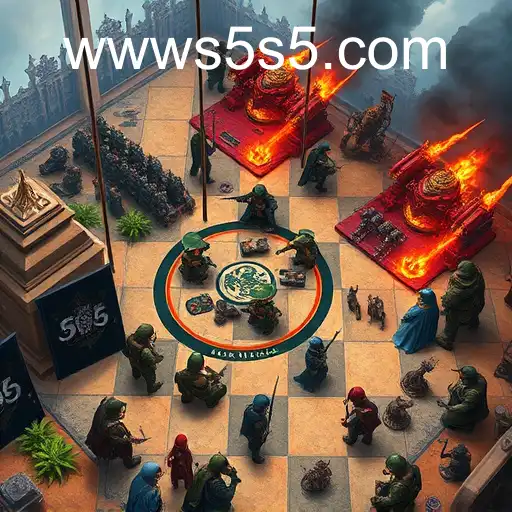
Strategy games have long captivated audiences with their mix of intellectual challenge and tactical gameplay. This genre, often defined by its focus on skill, planning, and strategic thinking, continues to be a favorite among gamers worldwide. With the keyword 's5' serving as a gateway to this thrilling category on numerous gaming websites, players are introduced to a wide array of experiences ranging from ancient tactical warfare to futuristic space-bound conflicts.
At the core of strategy games lies the necessity for players to think critically and plan several steps ahead. Such games typically require complex decision-making, resource management, and the anticipation of opponents' moves. This kind of gameplay is rewarding for those who enjoy engaging their minds and devising intricate strategies to outwit their competitors.
Strategy games are broadly classified into two main categories: real-time strategy (RTS) and turn-based strategy (TBS) games. RTS games challenge players to make quick decisions and manage resources and units on the fly, often requiring split-second strategic adjustments and multitasking skills. Popular RTS games like 'StarCraft' and 'Age of Empires' have defined the genre, with their intricate gameplay mechanics and competitive multiplayer environments.
On the other hand, TBS games offer a more deliberate pace, allowing players to take their time to assess situations and develop long-term strategies. Classic examples include 'Civilization' and 'XCOM,' where players engage in empire building or combat scenarios with an emphasis on strategic positioning and planning.
The diversity within the strategy games genre is part of its enduring appeal. It encompasses various thematic settings, from historical and military simulations to fantastical worlds and sci-fi epics. This variety allows players to immerse themselves in different narratives, testing their strategic acumen and problem-solving skills in unique scenarios.
The advent of digital platforms has further expanded the reach and impact of strategy games. Online multiplayer modes enable players from around the globe to engage in strategic battles, fostering a community of enthusiasts who revel in the intellectual challenge these games provide. Additionally, strategy games often cater to a wide range of skill levels, from casual gamers seeking a fun experience to hardcore strategists who thrive on complexity.
In conclusion, strategy games hold a distinctive place in the gaming landscape. They offer a rich, engaging experience that encourages players to think critically, plan strategically, and explore diverse worlds brimming with possibilities. Whether navigating historical conflicts, commanding futuristic armies, or managing complex resource systems, strategy games continue to challenge and entertain, solidifying their status as a timeless genre beloved by millions.
